The Difference Between Ultra-Sonication and High-Pressure Homogenization in Liquid Processing
Liquid processing is a crucial aspect of many industries. Two prominent techniques used in this field are sonication and high-pressure homogenization.

Liquid processing is a crucial aspect of many industries. Two prominent techniques used in this field are sonication and high-pressure homogenization. Here, we will explore the principles, mechanisms, effects, and applications of both methods, providing a comprehensive comparison to help researchers and practitioners choose the optimal method for their liquid processing needs.
Ultra-Sonication:
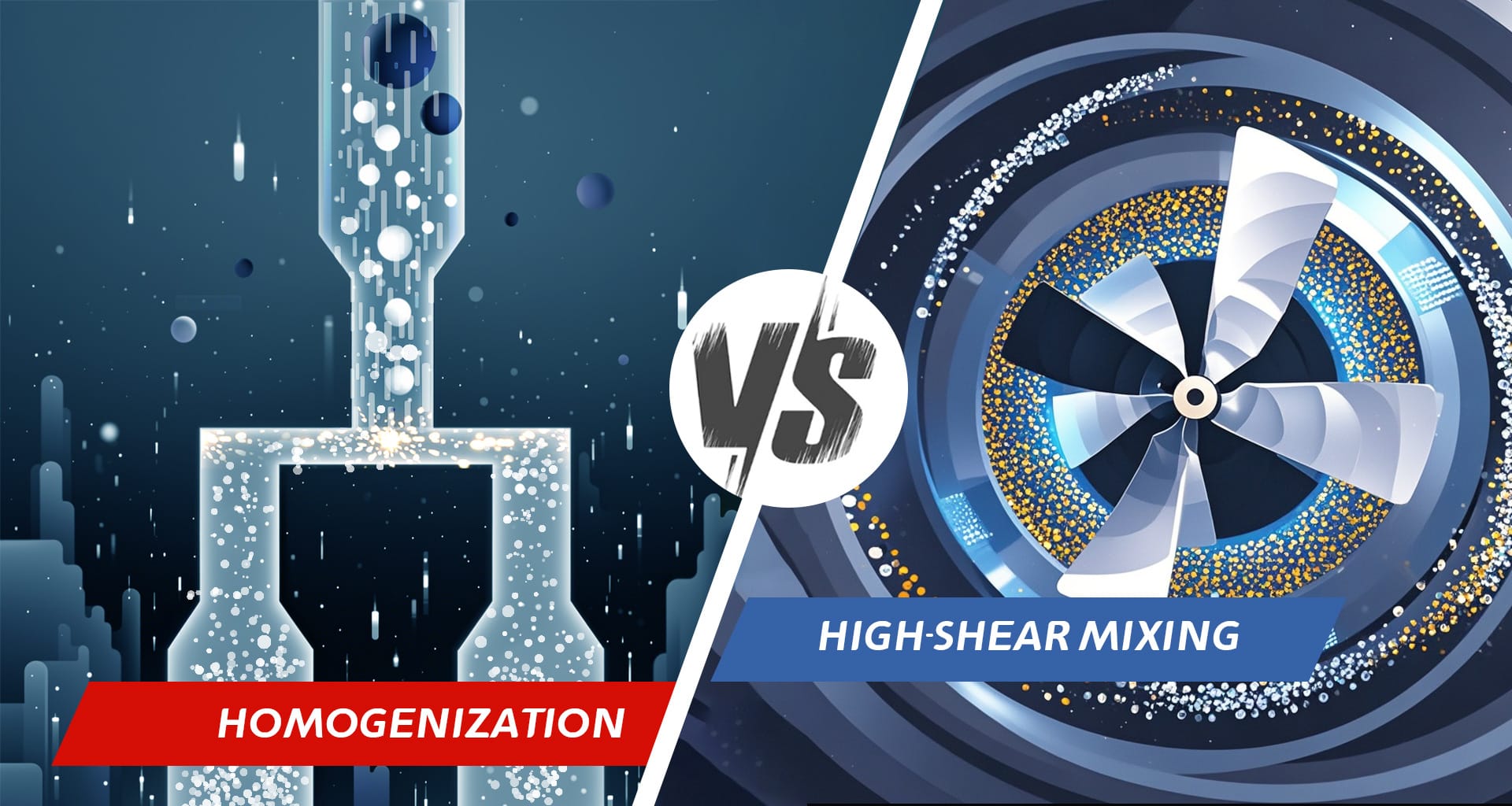
Principle: Uses high-frequency sound waves (ultrasound) to agitate particles in a liquid.
Mechanism: Ultrasonic waves create microscopic cavitation bubbles in the liquid.
Effect: Bubbles collapse, producing intense shock waves that break down particles and enhance mixing.
Applications: Ideal for dispersing nanoparticles, emulsifying liquids, and accelerating chemical reactions.
Scale: Typically used in laboratory-scale and small-scale applications due to its precise control and effectiveness in small volumes.
High-Pressure Homogenization:
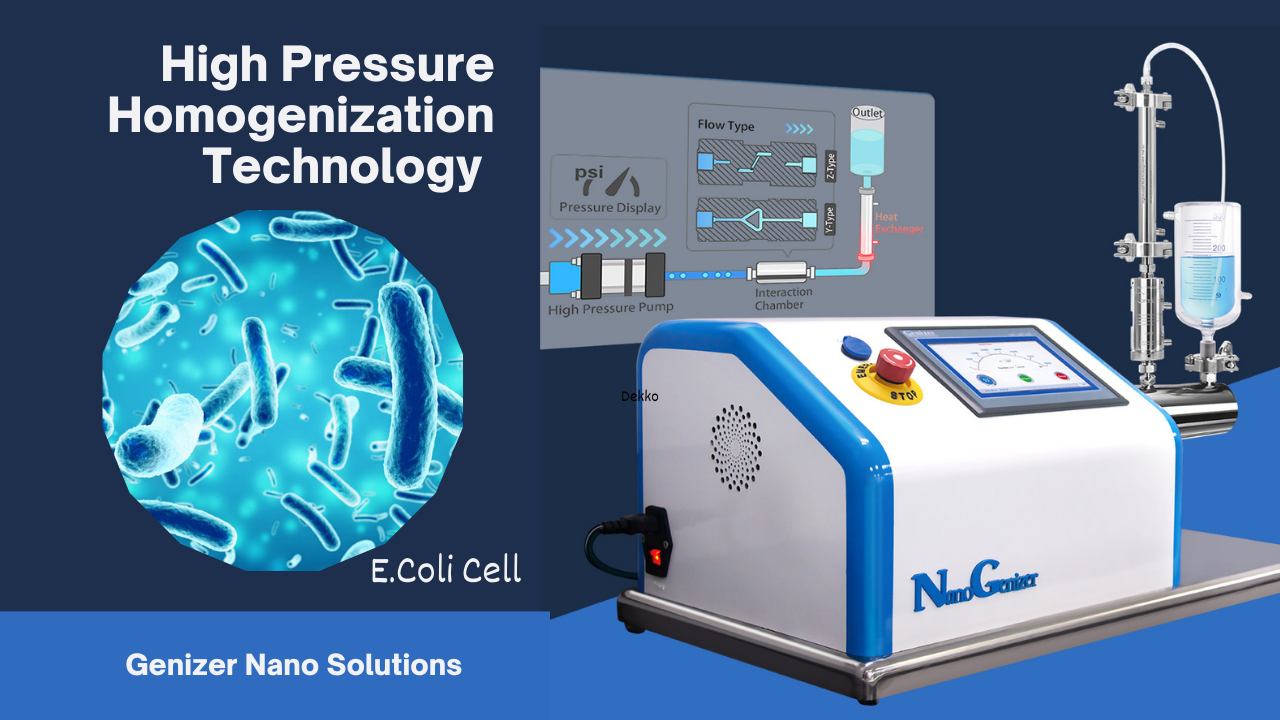
Principle: Utilizes intense pressure to force liquid through a narrow orifice or gap.
Mechanism: Generates high shear forces, turbulence, and cavitation to reduce particle size.
Effect: Produces uniform emulsions and suspensions, homogenizing the mixture thoroughly with more precise control on particle size and temperature.
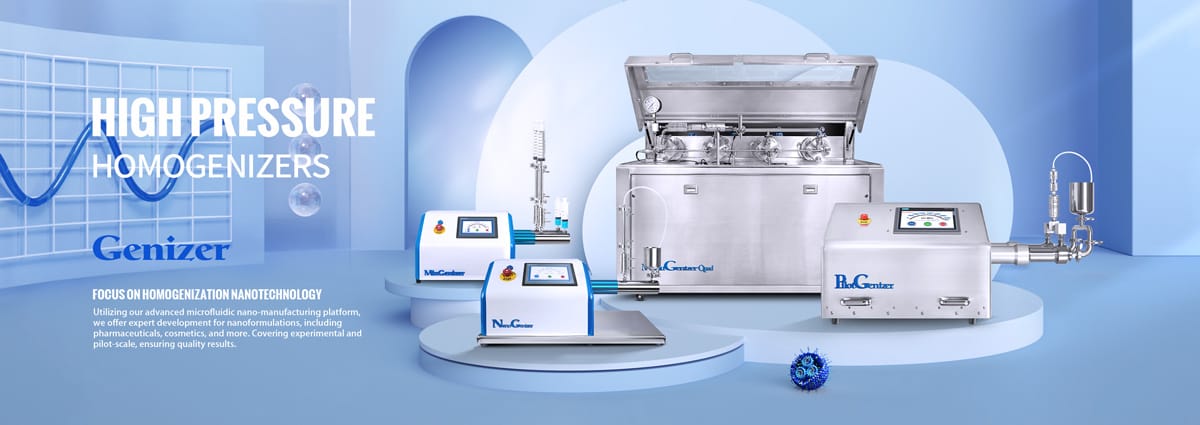
Applications: Effective in lab research as well as large-scale industrial processes for pharmaceuticals, food products, and cosmetics.
Scale: Scales well for industrial production, ensuring consistent results and high product quality in large volumes.
Choosing Between Them:
- Ultra-Sonication is favored for precise control and small-scale applications requiring delicate handling and specific particle dispersion.
- High-Pressure Homogenization excels in industrial settings where uniformity, scalability, and efficiency are critical, making it ideal for both the lab scale and large-scale production needs.
Understanding these distinctions helps in selecting the right method based on the specific requirements of liquid processing tasks, whether in a laboratory or industrial setting.