Boosting Vaccine Performance with High Pressure Homogenizers

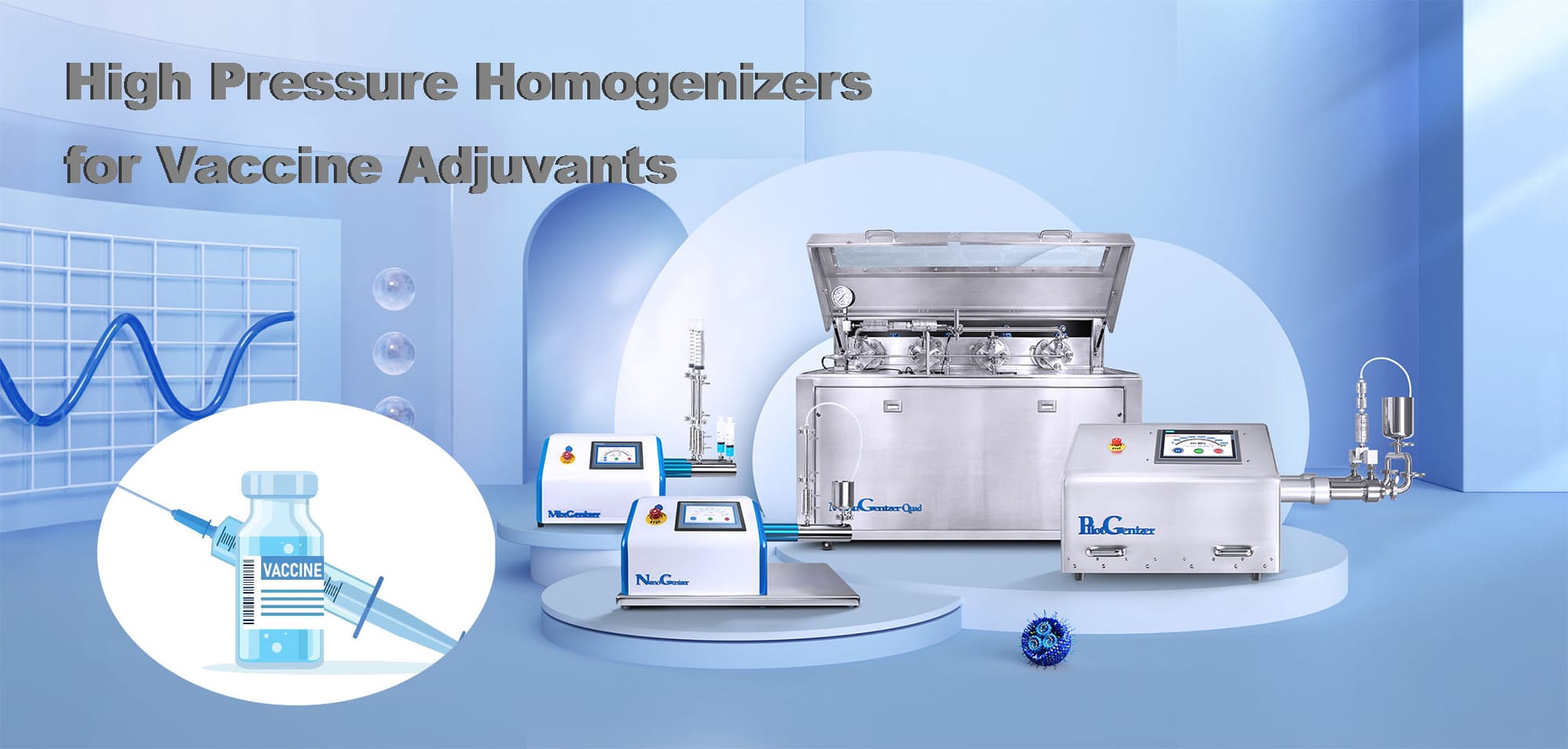
Why Adjuvants Matter
Adjuvants are crucial in vaccine development—they enhance immune responses, reduce the required antigen dose, and improve overall vaccine efficacy. But to achieve these effects, adjuvants must be consistently uniform in size and structure. This is where high pressure homogenization excels.
Uniform Particle Size for Improved Efficacy
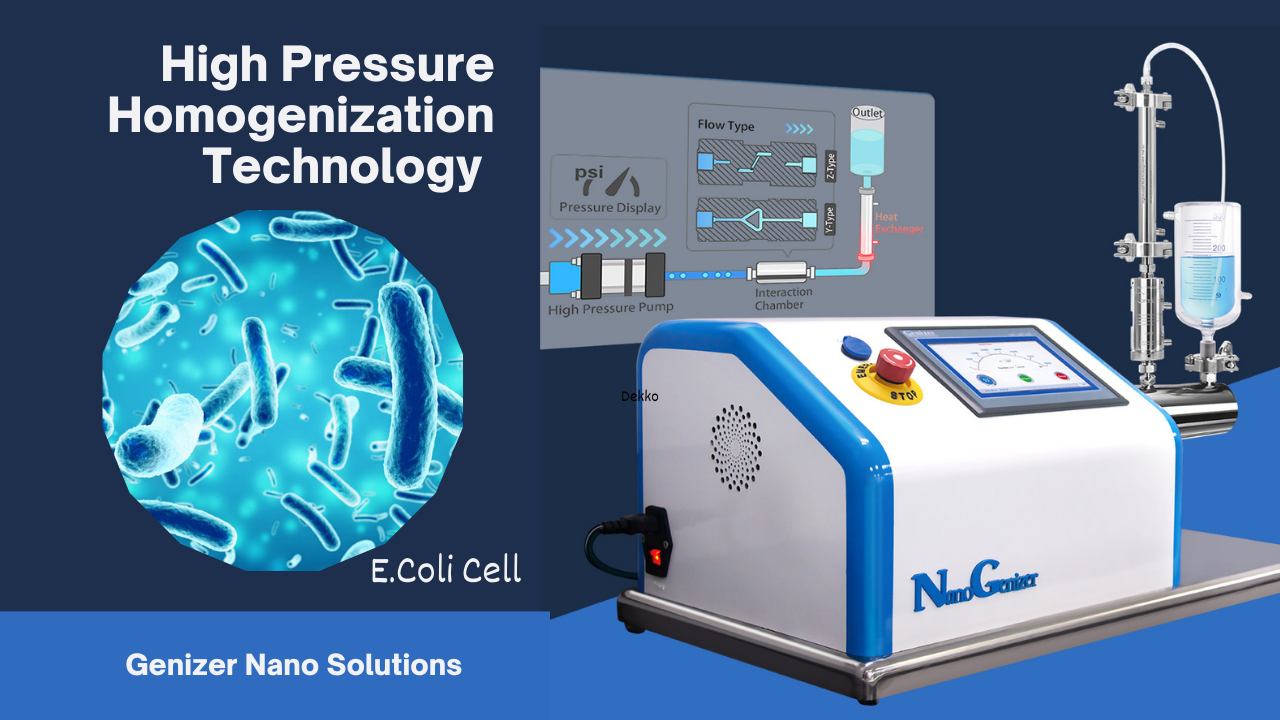
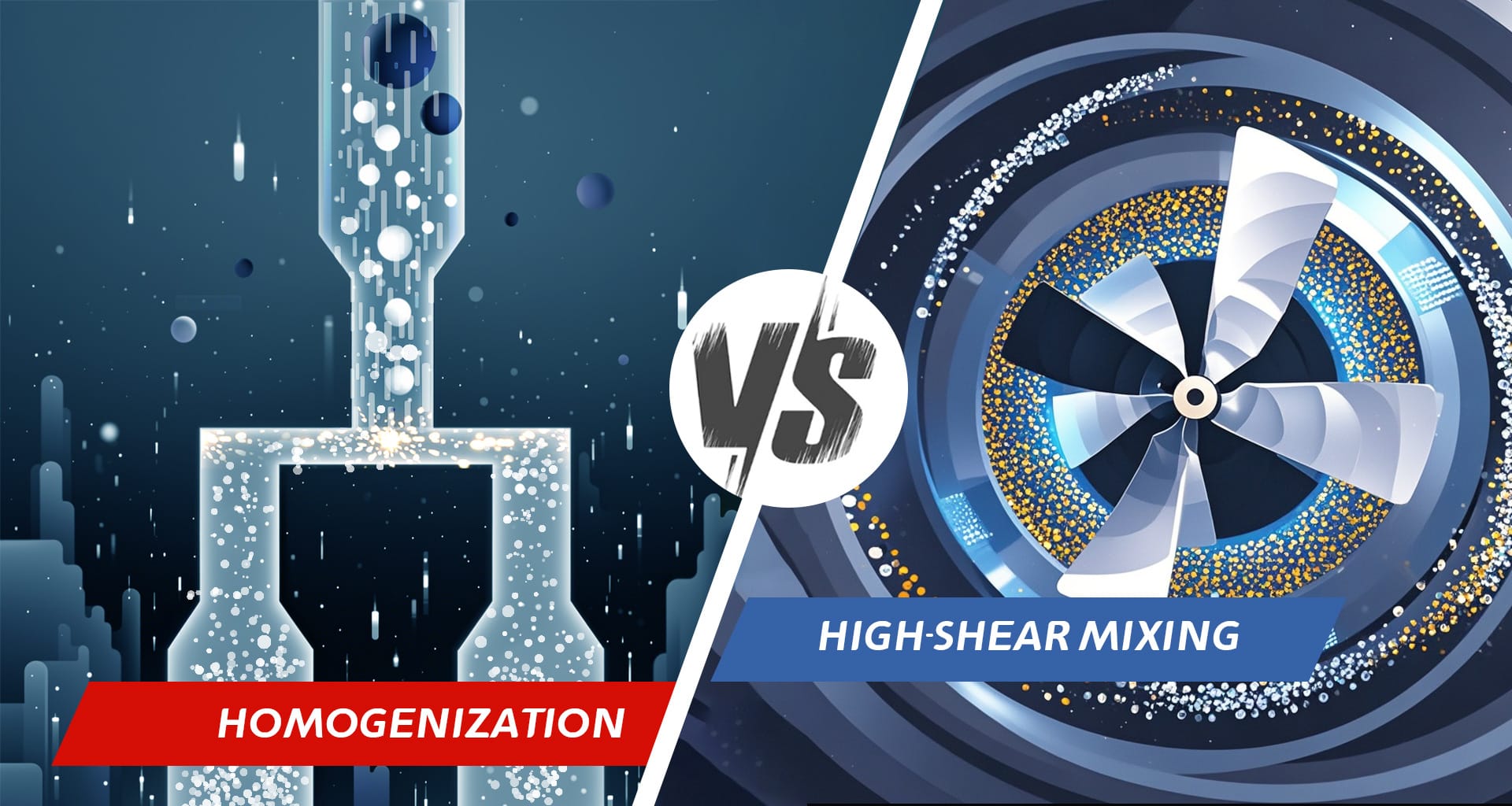
High pressure homogenizers (HPHs) use intense shear, impact, and cavitation forces to break down particles into nanoscale sizes. For emulsion- or liposome-based adjuvants, this results in a narrow and reproducible size distribution, which is essential for effective delivery and immune activation.
Enhanced Stability and Bioavailability
Smaller, uniformly sized particles increase surface area and improve interaction with immune cells. HPH processing enhances the physical stability of emulsions and vesicles, reducing aggregation and improving bioavailability. This leads to longer shelf life and better vaccine performance.
Scalability from R&D to Production
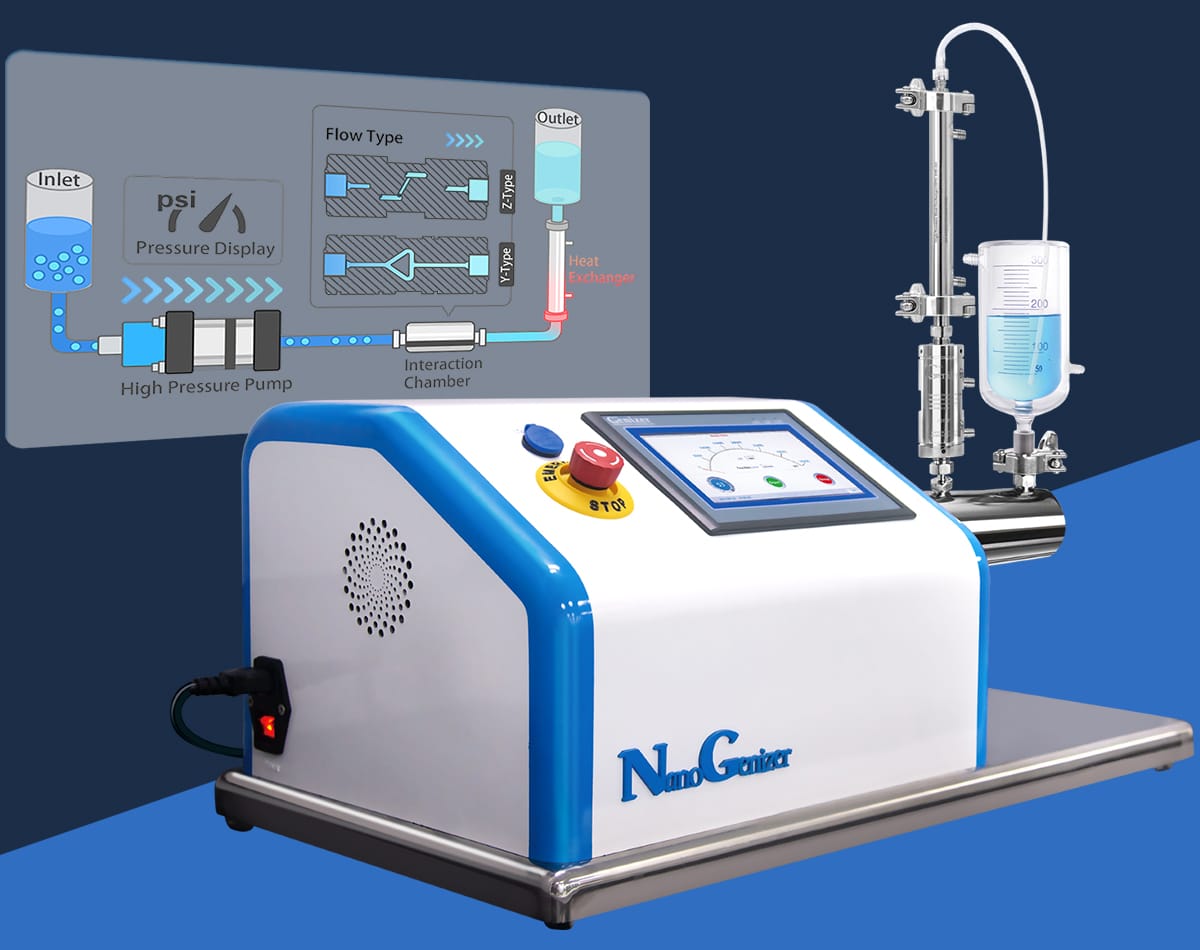
HPH systems are easily scalable, supporting seamless transitions from lab-scale trials to commercial manufacturing. With precise control over pressure and flow, formulators can replicate optimal processing conditions across all production stages.
Sterile and GMP-Compliant
Modern high pressure homogenizers are designed with sanitary features suitable for sterile vaccine manufacturing. Closed-loop designs meet GMP standards, ensuring consistent quality and regulatory compliance.
A Trusted Tool for Next-Generation Vaccines
As the demand for safer and more effective vaccines continues to grow, high pressure homogenization provides a reliable, proven method for producing high-quality adjuvants. From improving particle uniformity to enhancing immune response, HPH, like Genizer High Pressure Homogenizer, plays a vital role in advancing vaccine technology.