Advantages of Using High-Pressure Homogenization for Cell Disruption

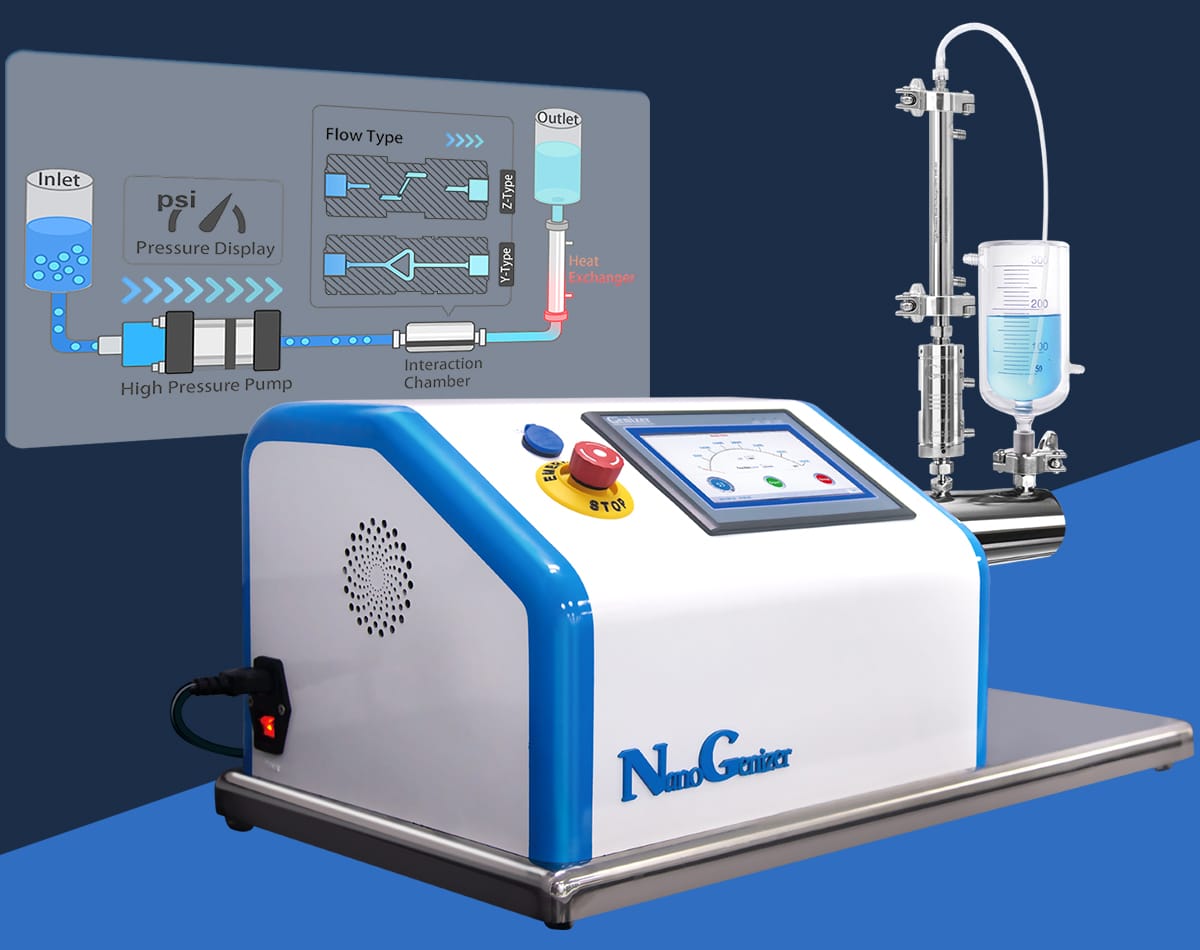
Powerful
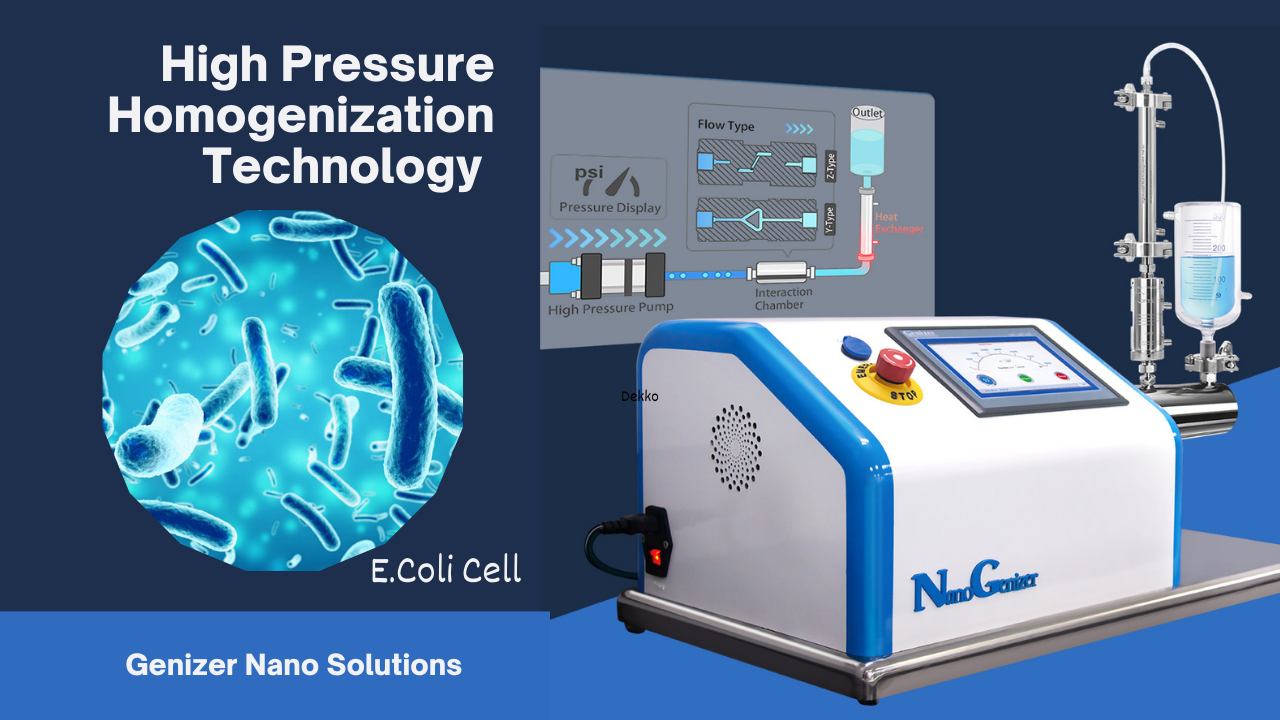
High-pressure homogenization can be used to break apart stubborn cells more quickly, for instance by reducing the number of passes required to disrupt the cells.
Scalable
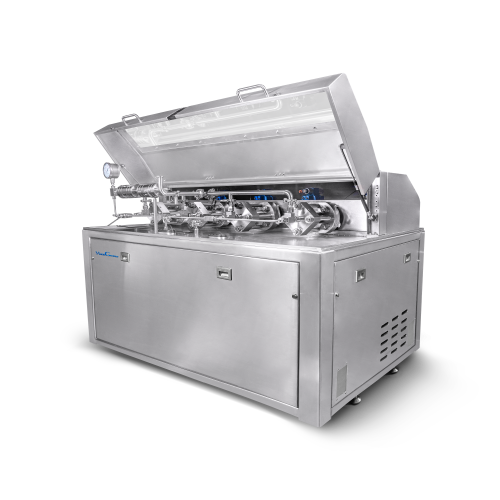
With high-pressure homogenization, you can scale from the R&D lab scale all the way up to a manufacturing setup.
Non-Chemical
With the use of high-pressure homogenization, you can avoid the use of chemicals that may compromise your desired result from cell disruption.
Thermally Managed
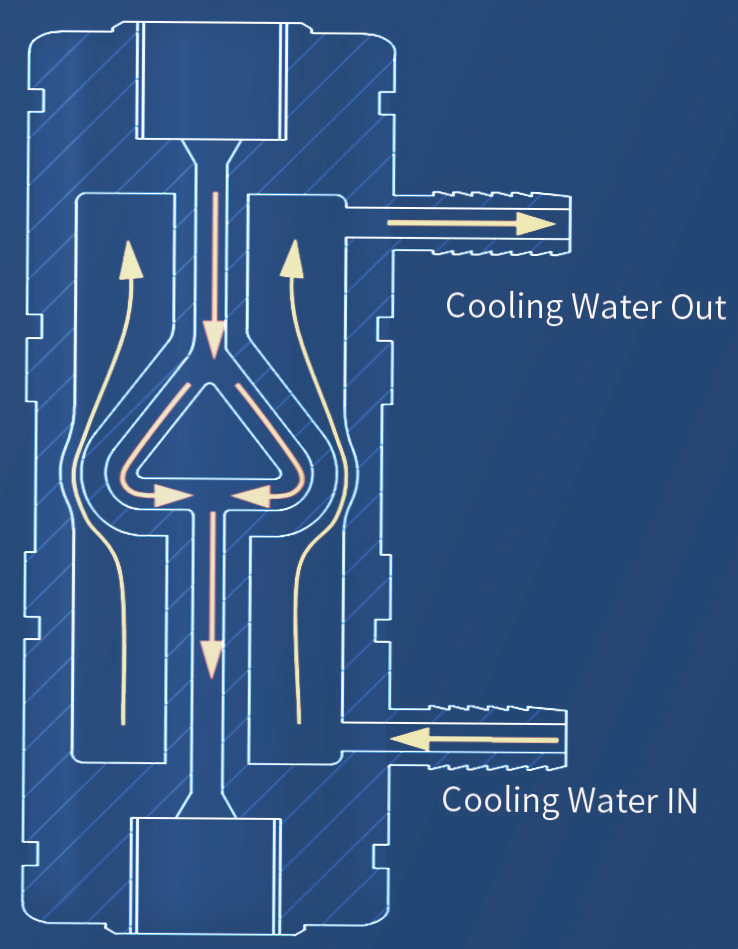
The cooling available in a high-pressure homogenization is vital to efforts that require protein stability or are otherwise thermosensitive. See this study for one example:
Multifunctional
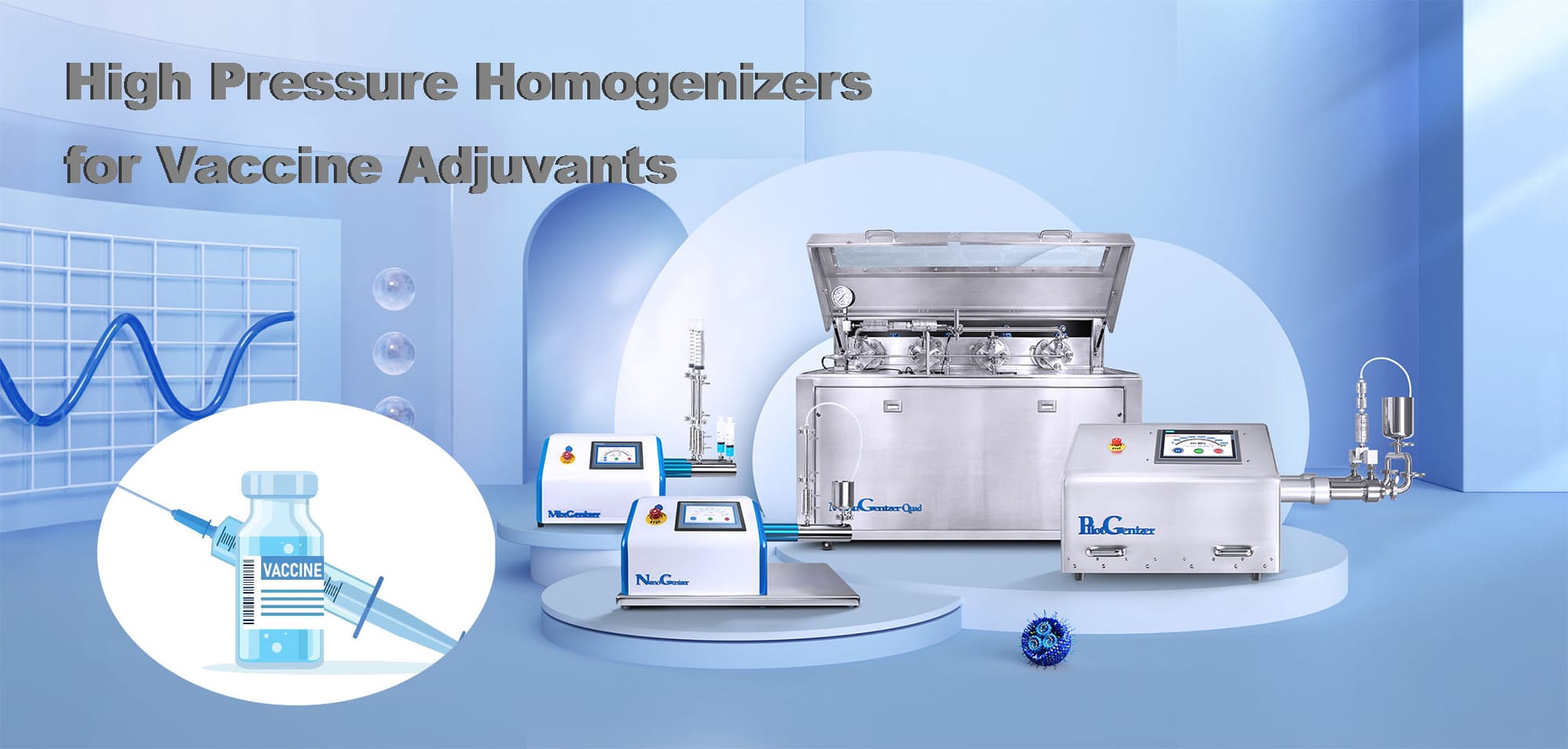
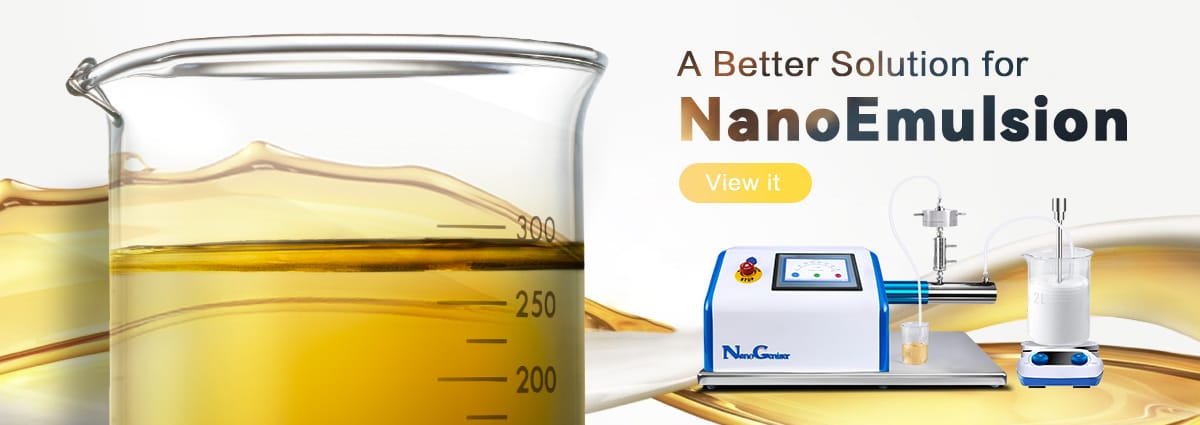
A high-pressure homogenization is not a single function instrument. In fact, it can be used for a variety of purposes. For example, making nanoparticles, nano emulsions, or re-sizing liposomes.